
The Industrial IoT (IIoT) is rapidly transforming industries by enabling smarter operations and real-time insights. However, as connectivity increases, so do cybersecurity risks. Ensuring secure and trusted data flow is now essential—and IIoT gateways are at the center of this transformation.
Read moreWhere Industrial Gateways Fit in Industry 4.0 Architecture
As industries move toward smart manufacturing and connected systems, Industry 4.0 architecture has become the foundation of modern operations. It brings together machines, sensors, software, and cloud platforms to enable real-time data exchange and intelligent decision-making.
Read moreHow Industrial Gateways Extend the Life of Legacy Modbus Devices
How Industrial Gateways Solve the Problem
Many industrial facilities still rely on legacy Modbus devices for monitoring and control. These devices are reliable, stable, and often deeply integrated into existing infrastructure. However, modern building management systems, IoT platforms, and cloud applications typically require newer communication protocols such as MQTT, REST APIs, or BACnet.
Read moreDashboards vs Alerts: What Actually Prevents Downtime?
Machine Downtime Monitoring
Modern facilities generate a massive amount of operational data through building management systems (BMS), industrial controllers, and IoT devices. Protocols like BACnet and Modbus continuously collect data from HVAC systems, power meters, sensors, and other critical equipment.
Read moreUse Cases: How BACnet & Modbus to MQTT, SMS, and API Improves Facility Management
Modern facilities rely on systems like HVAC, lighting, energy meters, pumps, and security equipment. Many of these systems communicate using BACnet and Modbus, which are widely used in building automation. However, these protocols often remain limited to Building Management Systems (BMS), making it difficult to integrate them with modern IoT platforms, cloud services, and alert systems.
By bridging BACnet and Modbus to MQTT, SMS notifications, and REST APIs, facility managers can unlock real-time monitoring, automation, and better operational visibility.
Read moreFrom BACnet & Modbus to Instant Alerts: Enabling SMS and Email Notifications in Smart Buildings
Modern smart buildings generate massive amounts of data through systems like HVAC, energy meters, sensors, and controllers. These devices typically communicate using protocols such as BACnet and Modbus, allowing Building Management Systems (BMS) to monitor operations in real time.
However, simply collecting data is not enough. What truly matters is ensuring that critical events reach the right people immediately. This is where BACnet & Modbus alerts, along with SMS and email notifications, play a vital role.
Read moreHow Automation Eases Your Maintenance Tasks
Automated maintenance management system
Maintenance plays a critical role in ensuring the reliability, safety, and efficiency of buildings and industrial facilities. However, traditional maintenance approaches are often time-consuming, reactive, and heavily dependent on manual inspections. This is where automation transforms the way maintenance tasks are managed.
Read moreWhat Is VDGS?
Modern airports rely heavily on automation to ensure safe, efficient, and standardised aircraft operations. One such critical technology is VDGS, commonly used at airport gates to guide pilots during aircraft docking. As airports continue to expand and modernise, understanding what VDGS is and how it integrates with other airport systems becomes increasingly important.
Read moreBACnet Integration for Building Automation Systems
BACnet (Building Automation and Control Networks) is one of the most widely used communication protocols in building automation systems. It enables devices from different manufacturers, such as HVAC controllers, energy meters, fire panels, and lighting systems, to communicate seamlessly. At the core of this communication are BACnet objects, which represent real-world data and control points.
2026 IoT Predictions: Key Trends Shaping the Future of Connected Systems
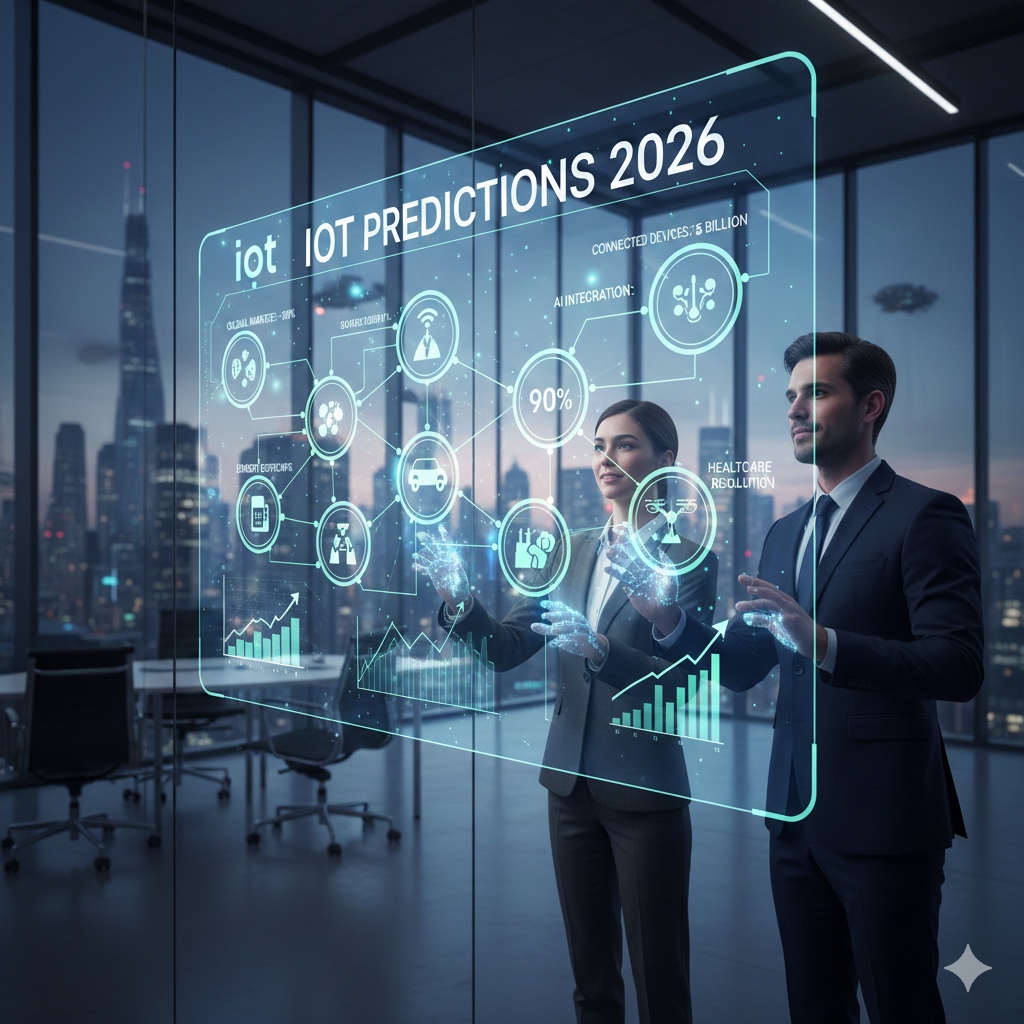
The Internet of Things (IoT) continues to transform industrial automation, smart buildings, and infrastructure worldwide. As we move toward 2026, IoT is evolving from basic connectivity to intelligent, secure, and interoperable systems. Businesses that align with upcoming IoT trends and predictions for 2026 will be better positioned to scale, optimize operations, and stay competitive.
Read more