Our IIoT and remote monitoring solutions are designed for integration of field devices over the internet. These solutions help monitoring, control and data collection from remote devices over the internet. Due to the variety and diversity of internet technologies most of these solutions are custom . They may require some tailoring to suit specific requirements. Here are some of the solutions that we have provided on previous projects.
Our solutions are widely used in commercial buildings, industrial automation, utilities, energy management, water treatment plants, manufacturing facilities, and infrastructure projects. They enable operators to access real-time field data from anywhere using secure internet connectivity, helping improve operational efficiency, reduce downtime, and simplify maintenance activities. Historical data logging, alarm management, and remote diagnostics allow users to identify issues quickly and make informed decisions. The gateways can be seamlessly integrated with cloud platforms, SCADA systems, BMS, EMS, and third-party applications, providing a flexible and scalable architecture for both small and large deployments. Our gateways are designed for continuous operation in demanding industrial environments, ensuring reliable data transfer, protocol conversion, and seamless connectivity between legacy devices and modern cloud-based monitoring applications.
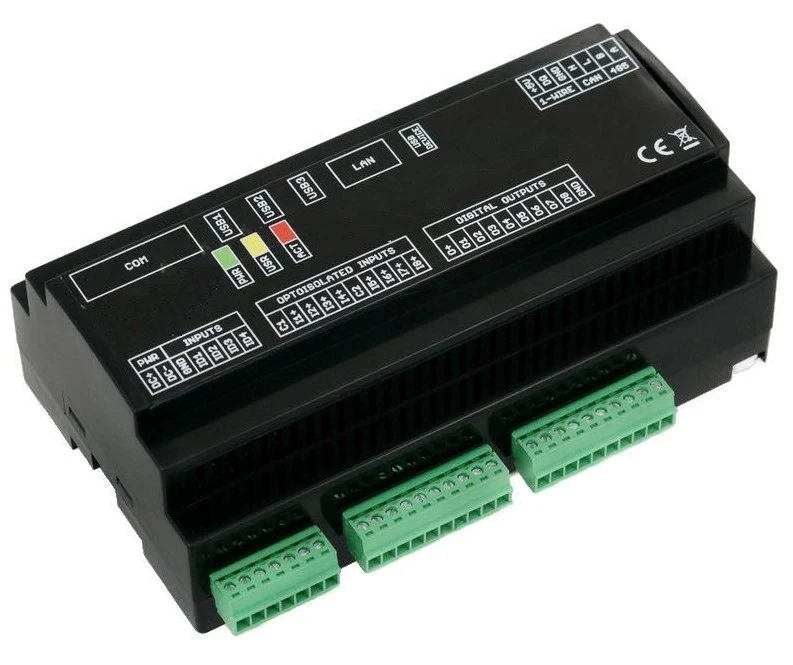
Modbus/BACnet IIoT gateways
All our IIoT and remote monitoring gateways support Modbus RTU and Modbus TCP/IP and BACnet IP protocols
- Modbus/BACnet-JSON gateway: Get your Modbus or BACnet data as JSON over the internet.
- BACnet/Modbus-SMS/Email : Set alerts on BACnet or Modbus values and receive notifications as SMS or emails.
- MQTT Gateway : Helps to push Modbus or BACnet data using the MQTT protocol through an MQTT broker.
- Modbus data logger and mini SCADA: This is a special gateway that enables data logging from Modbus devices while providing a simple interface for monitoring live values.
- BACnet data logger: Our BACnet data logger can read/write data from BACnet devices and store it on it’s own database.