Our Mission
We deliver state-of-the-art integrated automation and control solutions that optimally invest all available resources for an easier and safer life.
Our Vission
To achieve 100% customer satisfaction by delivering quality products and services.

Protocol gateways
Interconnect devices on standard protocols like BACnet, Modbus, LonWorks, SNMP or JCI Metasys N2.

IIoT solutions
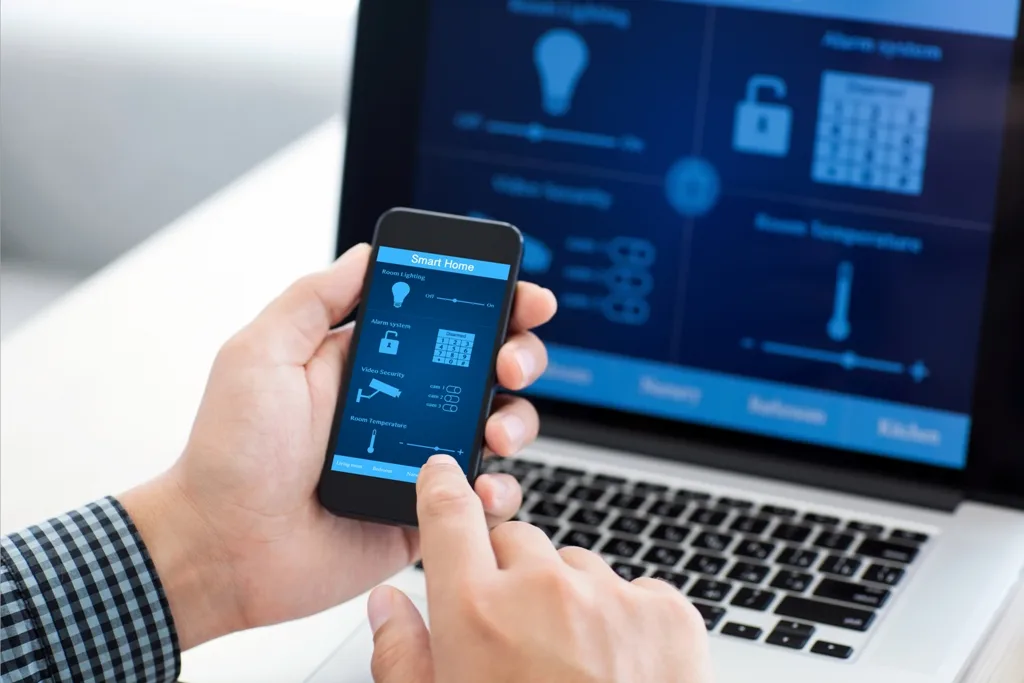
Get data from your Field devices on the clould or remotely monitor your site using the internet.

Media converters
For long distance data transmission or for changing the physical layer of transmission.
What we Offer
Best in class solutions to interconnect devices on standard protocols like BACnet, Modbus, LonWorks, SNMP, JCI Metasys N2 and many others. We can also develop custom interface solutions for integration of devices that use proprietary protocols.
Our media converters enable long distance transmission of data using Fiber optics technology. Data from RS-485, RS-232, LonWorks or CAN networks can be transmitted over long distances without the risk of corruption due to electrical interference.
We also have a range of IIoT Solutions. If you want data from your field devices on the cloud or you want monitor/control them using the internet then we have the right solution for you.
About ProtoConvert
We are a team of technology specialists from different areas of data communication. We offer consulting, software and hardware solutions that enable transfer of data using various technologies and over a variety of media.
We have a range to standard solutions that have been time tested and available over the counter. But we also take up custom development projects to suit particular needs.
No matter how complex the problem is, we are committed to applying all our resources to engineer the best possible solution.
Get in touch
We can provide you with the ProtoConvert data so you can make better decisions about your business.
Send us a message
Contact Information
ProtoConvert Pty Ltd
2 Clyden Court,
Burwood East VIC 3151
ABN: 50 640 945 722
+61 (0) 424 706 701